
Dry Storage
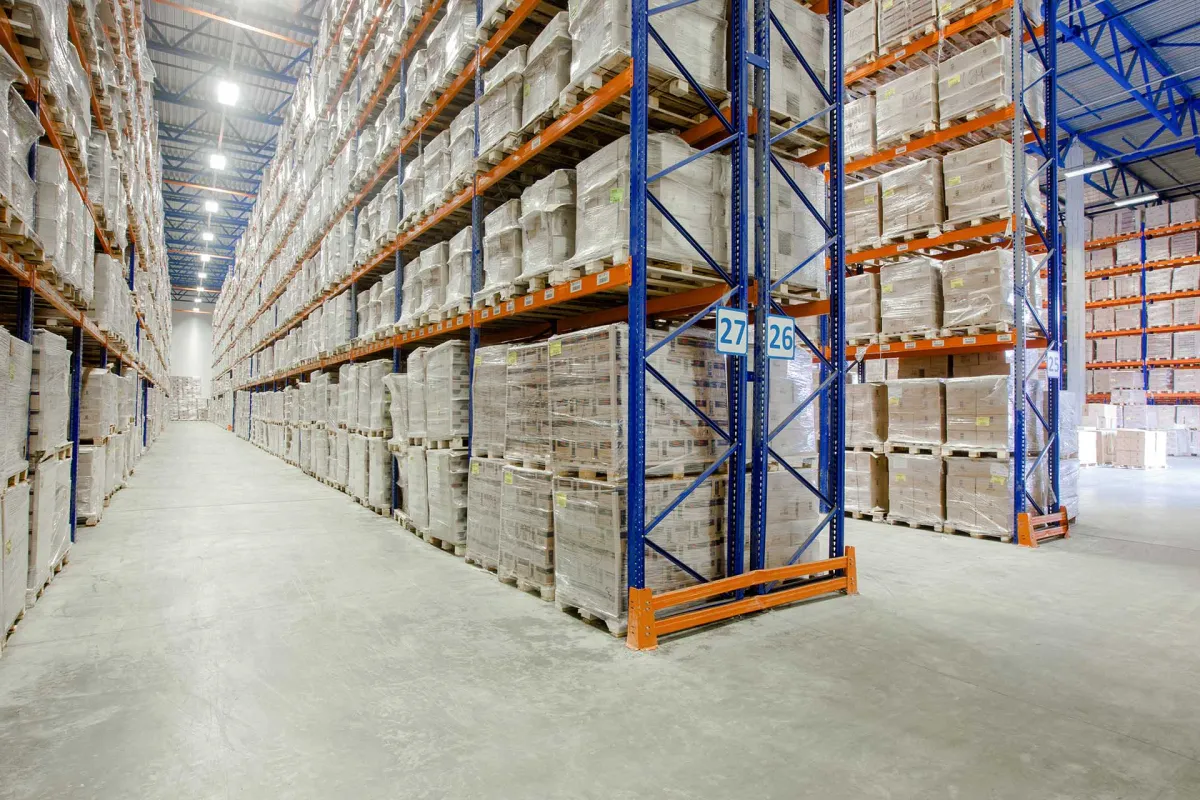
Dry Storage refers to warehousing facilities that maintain natural, unrefrigerated conditions suitable for products that do not require temperature or humidity control. Unlike chilled or frozen storage, dry storage relies on proper ventilation, protection from external elements, and good housekeeping rather than mechanical refrigeration. This cost-effective solution serves industries including dry foods, beverages, paper products, textiles, electronics, construction materials, and non-perishable consumer goods.
Products suitable for dry storage include canned goods, rice, flour, sugar, pasta, cooking oils, soft drinks, bottled water, snacks, coffee, tea, cleaning supplies, toiletries, office supplies, furniture, auto parts, electronics, and packaging materials. While these products do not require cold temperatures, they still need protection from direct sunlight, excessive heat, dust, pests, and moisture.
Key features of professional dry storage include adequate roof and wall insulation to prevent heat absorption, ventilation systems for air circulation, humidity monitoring to prevent mold and corrosion, pest management programs, secure loading docks, and inventory management systems. Unlike cold storage, dry facilities consume significantly less energy, resulting in lower operating costs passed to customers.
Businesses benefit from dry storage through reduced warehousing expenses compared to temperature-controlled alternatives. Seasonal products can be stored for year-round availability. Bulk purchasing becomes feasible with proper storage space. Distribution efficiency improves when inventory is located near target markets. For products that do not require refrigeration, dry storage represents the most economical choice without compromising quality or safety.
Dry Storage in Riyadh
Riyadh, the capital and administrative heart of Saudi Arabia, is home to thousands of businesses including government entities, financial institutions, retail chains, and e-commerce companies. Dry Storage in Riyadh must address the city’s unique climate while serving the needs of this dynamic market.
Riyadh experiences extreme temperatures, with summer highs regularly exceeding 45°C (113°F). Unlike coastal Jeddah, Riyadh has low humidity but faces intense solar radiation and occasional dust storms. Proper dry storage facilities in Riyadh require enhanced roof and wall insulation to reduce solar heat gain. Reflective roofing materials and light-colored exteriors help minimize heat absorption. Ventilation systems must be powerful enough to push hot air out during peak hours.
Dust protection is essential in Riyadh. Fine dust particles infiltrate warehouses through doors, ventilation intakes, and small gaps. Professional dry storage facilities maintain positive air pressure, high-quality door seals, and regular cleaning protocols to prevent dust accumulation on products. Dust-contaminated packaging affects product presentation and can damage sensitive electronics.
Riyadh’s position as Saudi Arabia’s administrative and logistics hub means dry storage facilities serve diverse industries. Retailers maintain regional distribution centers for dry goods. E-commerce fulfillment centers store packaged products awaiting delivery. Construction companies store materials like pipes, fittings, and tools. Government entities store documents, supplies, and equipment.
Location matters significantly in Riyadh. Dry storage facilities near major highways (King Fahd Road, Makkah Road, Eastern Ring Road) reduce transportation costs and delivery times. Proximity to Riyadh Dry Port and the upcoming logistics zone at King Salman International Airport adds value for importers and exporters.
Dry Storage in Saudi Arabia
Across the Kingdom of Saudi Arabia, demand for professional dry storage is growing rapidly. As Vision 2030 drives economic diversification and expansion of retail, e-commerce, and manufacturing sectors, Dry Storage in Saudi Arabia has become essential infrastructure for businesses of all sizes.
The Kingdom’s vast geography creates unique logistics challenges. Saudi Arabia spans over 2 million square kilometers, with major commercial centers in Riyadh (central), Jeddah (west), and Dammam (east). A dry storage provider with facilities in multiple regions allows businesses to position inventory closer to customers, reducing delivery times and shipping costs.
Climate variation across the Kingdom requires region-specific approaches. Riyadh’s extreme heat and dust demand enhanced insulation and dust protection. Jeddah’s high humidity requires moisture control measures to prevent product degradation. Dammam’s industrial environment requires dust management and integration with manufacturing zones. Professional dry storage providers adapt their facilities to local conditions.
Regulatory compliance is essential. Dry storage facilities in Saudi Arabia must comply with Civil Defense fire safety regulations, municipal zoning requirements, and environmental standards. Proper documentation and regular inspections ensure legal operation.
Industries driving dry storage demand include food and beverage (dry and packaged goods), retail and e-commerce (fulfillment centers), construction (materials and equipment), pharmaceuticals (non-refrigerated medicines and supplies), and government (archives and supplies).
For businesses seeking dry storage in Saudi Arabia, choosing a provider with multiple locations, climate-appropriate facilities, robust security, transparent pricing, and flexible contract terms ensures reliable, cost-effective service.
Units: Your Dry Storage Partner Across Saudi Arabia
Across Riyadh, Jeddah, Dammam, and the entire Kingdom, one name stands as a top provider of dry storage solutions: Units. Operating from their website units.sa, Units has earned an exceptional reputation for reliable, professional warehousing tailored to Saudi Arabia’s unique environmental conditions.
What makes Units the preferred partner? Their strategic locations in Riyadh, Jeddah, and Dammam provide coverage across the Kingdom’s major commercial regions. Their climate-optimized facilities feature enhanced insulation, powerful ventilation, dust protection, and humidity control specifically engineered for Saudi conditions. Their flexible storage options accommodate small businesses needing pallet-space rental and large enterprises requiring dedicated warehouse zones.
Units understands Saudi Arabia’s specific challenges. Riyadh facilities prioritize dust protection and heat management. All locations offer secure 24/7 monitoring, online inventory access, bilingual Arabic-English staff, and transparent pricing without hidden fees. Value-added services include container de-vanning, palletization, repackaging, labeling, quality inspection, and local distribution.
Visit units.sa today to request a quote, schedule a facility tour, or speak with a storage specialist. Store your dry goods with confidence—choose Units.
Frequently Asked Questions (FAQs)
Q1: What is the temperature range in your dry storage facilities?
Units’ dry storage facilities maintain natural ambient temperatures. While no mechanical cooling is provided, facilities feature enhanced insulation and ventilation to prevent extreme heat buildup. Typical internal temperatures range from 18°C to 35°C depending on external conditions. Products should be suitable for ambient storage without temperature control.
Q2: How do you protect products from dust in Riyadh?
Units’ Riyadh facilities feature positive air pressure systems that push air outward, preventing dust infiltration through gaps. High-quality door seals, automated closing mechanisms, and regular cleaning protocols maintain clean environments. Products are stored on pallets or shelving, not on floors, minimizing dust exposure.
Q3: Do you offer both short-term and long-term dry storage contracts?
Yes, Units offers flexible storage periods ranging from daily rental for temporary overflow to multi-year contracts for long-term inventory. Monthly rates are available for regular users, with discounts for longer commitments. Seasonal clients can ramp space up or down as demand fluctuates.
Q4: Can I access my stored products outside normal business hours?
Yes, Units offers 24/7 access for clients requiring after-hours retrieval or restocking. Advance notification is required for security purposes. Extended access may incur additional fees depending on frequency and timing. Contact the Units team to discuss your specific access requirements.
Q5: What security measures are in place at Units’ dry storage facilities?
Units facilities feature 24/7 CCTV surveillance, gated access with security personnel, controlled entry with check-in/check-out procedures, secure perimeter fencing, and inventory management systems tracking all incoming and outgoing products. Units recommends clients maintain their own insurance; storage insurance options are also available.