
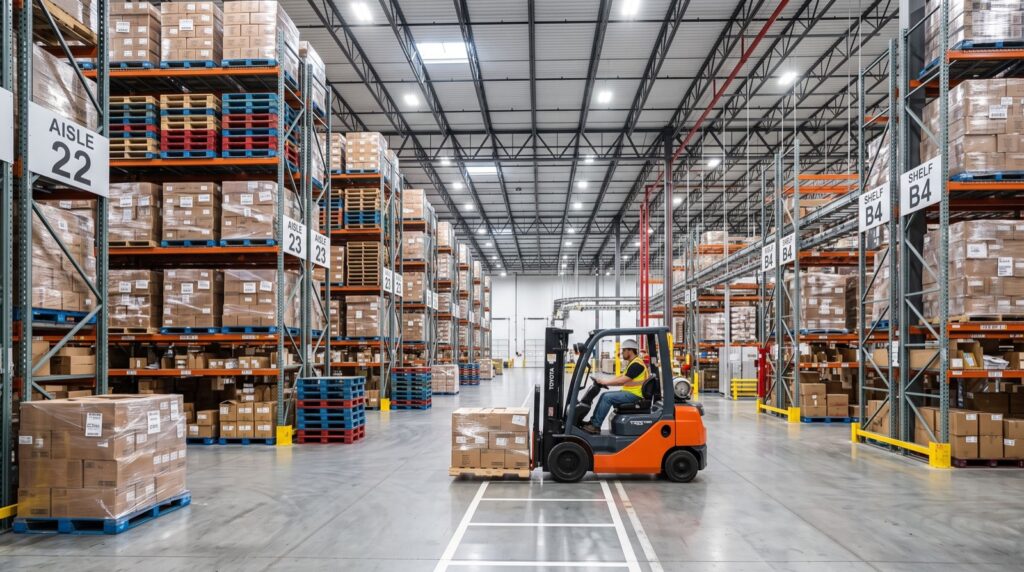
For businesses across Saudi Arabia, storage is no longer just a spare room full of boxes. It is a supply-chain decision that affects product quality, compliance, and profit. In 2026, the smartest operators separate their inventory by temperature need, choosing frozen, chilled, or dry environments deliberately rather than dumping everything into one warehouse. This guide explains how to match your goods to the right storage type and avoid costly spoilage.
Why Storage Type Decides Product Survival
Every product has a comfort zone. Ice cream and frozen meat need deep cold, medicines demand tight temperature bands, and packaged dry goods just need to stay cool and moisture-free. Store any of them in the wrong environment and you invite waste, recalls, and unhappy customers.
Saudi Arabia’s climate raises the stakes. With outdoor temperatures frequently exceeding 45°C in summer, a single failure in the cold chain can ruin a shipment within hours. Choosing the correct storage category from the start is the cheapest insurance a business can buy.
Frozen Storage: The Backbone of the Cold Chain
Frozen storage typically holds goods at or below -18°C, the standard recommended for long-term preservation of frozen foods. It is the backbone of any operation dealing in meat, seafood, dairy, ready meals, or frozen produce. A reliable frozen facility maintains that temperature without fluctuation, because even brief thawing and refreezing degrades texture and safety.
Companies importing or distributing perishables across the Kingdom increasingly rely on dedicated Frozen Storage in Riyadh to keep stock at safe temperatures right through the distribution cycle. Centralising cold stock near the capital shortens the journey to retailers and reduces the risk of temperature abuse in transit.
What Belongs in Frozen Storage?
- Meat, poultry, and seafood
- Ice cream and frozen desserts
- Frozen vegetables and fruit
- Ready meals and par-baked bakery goods
- Certain temperature-sensitive pharmaceuticals
Dry Storage: Underrated but Essential
Not everything needs cold. A huge share of business inventory simply needs a stable, ventilated, pest-free space that stays dry. Dry storage covers canned goods, grains, packaged snacks, textiles, electronics, and most retail stock. The enemy here is humidity, not heat alone, because moisture breeds mould, rust, and swollen packaging.
Well-run Dry Storage solutions in Saudi Arabia combine good airflow, moisture control, and organised racking so goods stay sale-ready and easy to pick. For many small and mid-size sellers, a dry unit is all they need and it costs far less than refrigerated space.
From experience, businesses that document storage requirements at the product level rarely suffer spoilage surprises. A short spreadsheet listing every SKU and its required temperature band becomes a single source of truth that keeps warehouse teams, drivers, and managers aligned throughout the year.
| Storage Type | Typical Temperature | Ideal Goods |
|---|---|---|
| Frozen | -18°C or below | Meat, seafood, ice cream |
| Chilled | 0°C to 8°C | Dairy, fresh produce, some meds |
| Ambient / Dry | 15°C to 25°C | Canned goods, textiles, electronics |
How Do You Match Inventory to the Right Storage?
Sorting inventory correctly is a simple but disciplined process. Get it right once and your whole operation runs cleaner.
- List every product line and its storage requirement from the supplier’s label.
- Group items into frozen, chilled, and dry categories.
- Estimate volume and turnover for each category.
- Reserve cold space only for what genuinely needs it to control cost.
- Build in a small buffer for seasonal peaks and promotions.
Following manufacturer guidance matters. Food safety authorities such as the Food and Agriculture Organization publish widely referenced cold-chain principles that help businesses set and defend their temperature standards.
Moving Inventory Without Breaking the Chain
Storage and transport are two halves of the same job. A perfect freezer means nothing if goods sit on a hot loading dock for an hour. When relocating stock or moving a business between facilities, plan the handover so temperature-sensitive items spend minimal time exposed.
Work with trusted professionals who understand handling requirements, use insulated transport, and keep a documented chain of custody. That coordination protects both the goods and your reputation with buyers.
Practical Handover Tips
- Pre-cool vehicles before loading frozen or chilled goods.
- Load fastest-perishing items last so they exit first.
- Log temperatures at pickup and delivery.
- Keep dry and cold loads physically separated.
Managing Costs Without Cutting Corners
Cold storage carries a real energy cost, and in a market as competitive as Saudi Arabia’s, controlling that spend matters. The mistake many businesses make is trying to save money by shrinking cold space too aggressively, which leads to overcrowded freezers where air cannot circulate and temperatures drift. The smarter path is to right-size each zone and manage stock turnover tightly.
Fast-moving inventory should sit in easily accessible positions so you are not repeatedly opening freezer doors and letting warm air in. Slow movers can go deeper. First-in, first-out rotation prevents older stock from expiring unnoticed, which is one of the biggest silent losses in any cold operation.
Cost-Control Habits That Actually Work
- Consolidate part-empty pallets to free up whole racks.
- Batch deliveries so you open cold doors less often.
- Track expiry dates and rotate stock religiously.
- Audit each temperature zone monthly for wasted space.
- Share overflow space with a specialist rather than over-renting.
These habits protect both quality and margin. In 2026, with rising energy awareness across the Kingdom, businesses that run tight, well-organised cold and dry zones gain a genuine competitive edge over rivals who let space and stock drift.
Frequently Asked Questions
What temperature should frozen storage maintain?
The widely accepted standard for long-term frozen storage is -18°C or colder. Staying at or below this point prevents ice-crystal damage and keeps food safe for extended periods without repeated freeze-thaw cycles.
Can I store dry goods and frozen goods in the same facility?
Yes, many facilities offer multiple temperature zones under one roof. The key is keeping each category in its correct zone and never mixing loads that need different conditions.
Is dry storage cheaper than cold storage?
Almost always. Dry storage does not require refrigeration equipment or the energy to run it, so per-unit costs are lower. Reserve costly cold space only for goods that truly need it.
How do I prevent moisture damage in dry storage?
Choose a unit with good ventilation and humidity control, keep goods off the floor on racking, and use desiccants for sensitive items. Regular stock rotation also stops products sitting long enough to absorb damp.
Final Thoughts
Choosing between frozen, chilled, and dry storage in Saudi Arabia is a strategic decision, not an afterthought. Sort your inventory honestly, pay for cold space only where it protects value, and protect the chain during every move. Do that and you cut waste, satisfy customers, and keep your margins healthy. Review your storage mix today and book the environments your products actually need.