Fanvil IP Phones in Pakistan: The 2026 Smart Video Phone Buyer’s Guide
Choosing the right desk phone shapes how a whole team communicates. In 2026, Fanvil IP phones in Pakistan have become the quiet backbone of hospitals, call centres, hotels, and hybrid offices from Karachi to Gilgit. They combine crisp HD audio, video calling, and rock-solid SIP compatibility at a price local businesses can actually justify.
This guide walks you through what matters when you invest in enterprise voice hardware this year. You will learn how smart video phones differ from basic handsets, which features earn their keep, and how to size a deployment without overspending.
Why Fanvil IP Phones in Pakistan Lead Business Communication in 2026
The shift to Voice over IP is no longer optional. Traditional PTCL copper lines are fading, and cloud PBX platforms now dominate new office fit-outs. A modern SIP endpoint plugs into your existing network switch, draws power over Ethernet, and registers with any standards-based server in minutes.
Fanvil built its reputation on strict adherence to the SIP standard defined in IETF RFC 3261, which means the phones interoperate cleanly with 3CX, Asterisk, FreePBX, Yeastar, and most hosted providers. That interoperability protects your budget: you are never locked into one vendor.
For flagship boardrooms and executive desks, the Fanvil V67 Flagship Smart Video Phone pairs a large adjustable touchscreen with a built-in HD camera, Bluetooth, and Wi-Fi. It turns an ordinary desk into a video-conferencing station without a separate laptop.
What makes a smart video phone worth the upgrade?
A smart video phone does more than ring. It runs a real operating system, supports programmable keys, and displays presence, calendars, and directories on screen. Staff answer video calls with one tap, transfer with another, and never miss a queued customer.
- Face-to-face clarity: HD video reduces miscommunication on complex sales and support calls.
- Programmable BLF keys: Reception sees who is free at a glance.
- Dual Gigabit ports: Daisy-chain a PC through the phone to save cabling.
- PoE efficiency: One cable delivers both data and power.
Matching the Right Model to Your Team
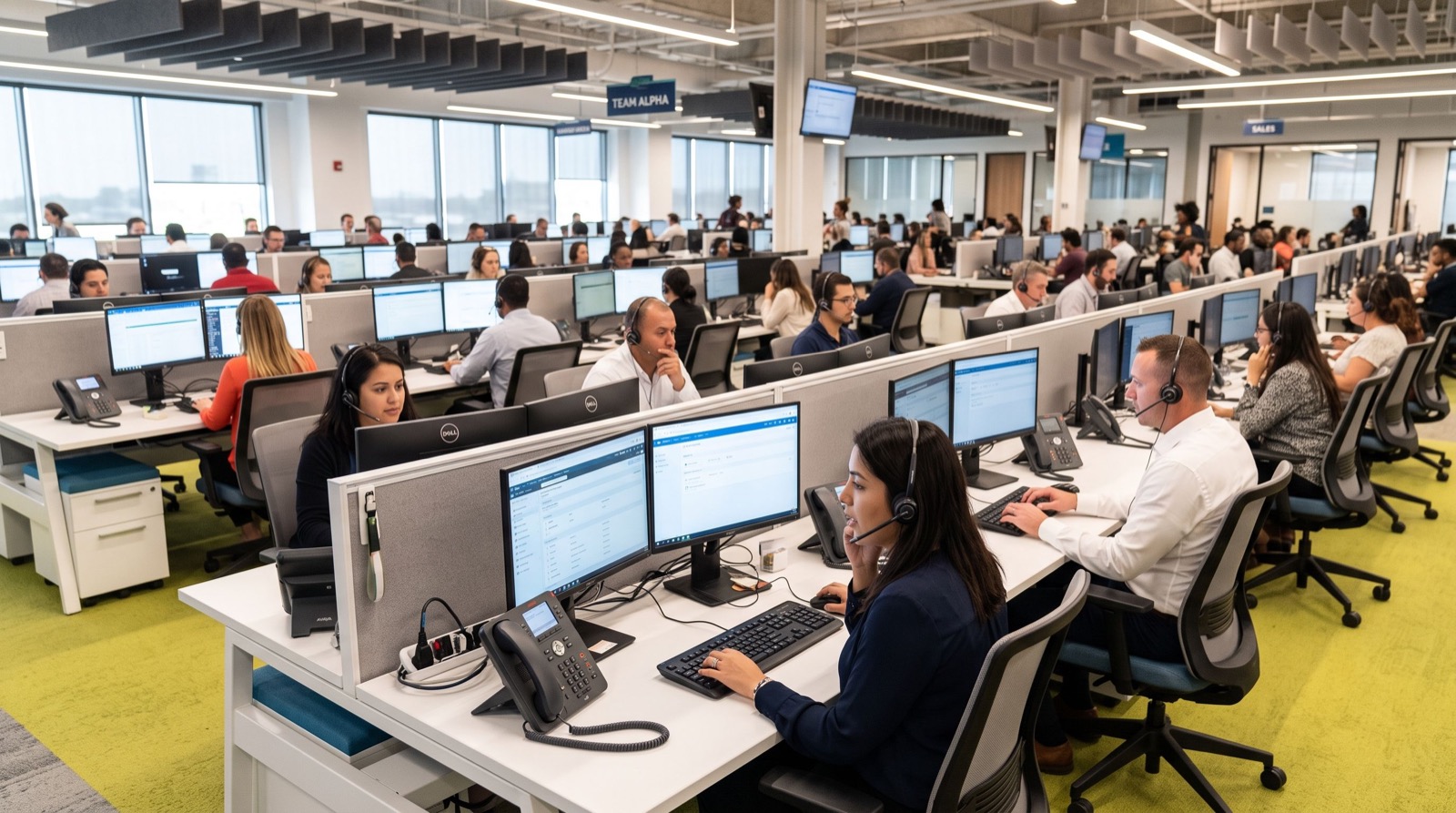
Not every desk needs a flagship. A warehouse gatehouse wants durability; a CEO wants video; a 40-seat call centre wants comfort and speed. The table below maps common Pakistani business scenarios to the right tier of device.
| Business Scenario | Recommended Tier | Key Feature to Prioritise | Typical Seats |
|---|---|---|---|
| Executive / boardroom | Flagship smart video | HD camera + touchscreen | 1–10 |
| Call centre agents | Mid-range colour IP | Dual headset + comfort | 20–200 |
| Hotel guest rooms | Compact hospitality IP | Speed dials + durability | 50–500 |
| Reception / front desk | Colour IP with expansion | BLF keys + expansion module | 1–5 |
When you plan a rollout, an experienced local team can audit your network, confirm PoE budget, and stage the handsets before delivery. That preparation removes the guesswork that derails most first-time VoIP projects.
A Practical Step-by-Step Deployment Plan
Rolling out phones does not need to disrupt business. Follow this sequence and you can cut over in a single evening.
- Audit the network: Confirm your switch supports 802.3af/at PoE and has spare ports.
- Choose a PBX: Pick cloud or on-premise based on your call volume and internet reliability.
- Provision extensions: Create SIP accounts and note credentials for each seat.
- Auto-provision: Use the phone’s config server URL to push settings to every unit at once.
- Test failover: Simulate an internet drop and confirm calls reroute to mobiles.
- Train staff: Run a 20-minute session on transfers, holds, and video.
One original tip from the field: label each phone’s second Ethernet port before you ship units to branches. Technicians in Faisalabad or Multan then plug PCs into the right socket without a support call, and your help desk stays quiet on go-live day.
How much internet bandwidth do IP phones actually need?
A single HD voice call uses roughly 85–100 kbps in each direction with the G.711 codec, and far less with G.729. Video adds more, but a modest 20 Mbps office link comfortably carries dozens of simultaneous voice calls plus a handful of video sessions. The real bottleneck is usually Wi-Fi contention, not raw speed, so wire your desk phones whenever you can.
Total Cost of Ownership, Not Just Sticker Price
Smart buyers look past the invoice. VoIP slashes per-minute costs, removes line rental, and lets you add extensions in software instead of pulling new copper. According to industry analysis summarised by Gartner, converged voice-and-data networks continue to reduce operating costs for mid-sized enterprises year over year.
Factor in these hidden savings when you compare quotes:
- No separate PSTN line rental per desk.
- Free internal calls across every branch.
- Cheaper international and inter-city trunks.
- Firmware updates that extend hardware life for years.
Because the handsets are standards-based, you can migrate providers later without replacing a single device. That future-proofing is why so many buyers now shortlist Fanvil IP Phones in Pakistan before considering any alternative.
Common Mistakes Buyers Make in Pakistan
Even solid hardware disappoints when the surrounding setup is wrong. Avoid these frequent missteps and your deployment runs smoothly from day one.
- Ignoring the PoE budget: Many buyers forget that a cheap switch cannot power a full floor of phones. Always total the wattage first.
- Skipping QoS: Without traffic prioritisation, a single large download can crackle every call in the office.
- Running phones on guest Wi-Fi: Voice belongs on a wired, segmented VLAN wherever possible for stability and security.
- Buying one model for everyone: Overspending on flagships for back-office desks wastes budget that busy agents need.
- Neglecting firmware: Outdated firmware invites security holes and bugs; schedule updates from the start.
Local conditions matter too. Load shedding, variable broadband, and mixed ISP quality are realities across many Pakistani cities. Plan a UPS for your switch and a backup 4G link so calls survive the inevitable outage. These small precautions separate a reliable phone system from a frustrating one.
Consider growth as well. A business that adds ten staff each year should choose a PBX and licensing model that scales in software, not one that demands new hardware every quarter. Standards-based endpoints protect that runway because you can expand extensions instantly and swap providers whenever a better trunk deal appears.
Frequently Asked Questions
Are Fanvil IP phones compatible with my existing PBX?
Yes. Because Fanvil follows the open SIP standard, the phones register with virtually any modern PBX, including 3CX, Asterisk, FreePBX, and hosted cloud services. You simply enter the server address, extension, and password.
Do I need special cabling to install these phones?
No new copper is required. Standard Cat5e or Cat6 Ethernet carries both data and power when your switch supports PoE. If it does not, an inexpensive PoE injector powers a single phone.
Can Fanvil video phones work over Wi-Fi?
Select flagship models include built-in Wi-Fi and Bluetooth, so you can place them where running a cable is impractical. For call centres, wired connections still deliver the most stable audio and video quality.
What warranty and support should I expect in 2026?
Reputable local suppliers offer hardware warranty plus configuration support. Ask about auto-provisioning help and firmware guidance, because good after-sales service matters more than a slightly lower price.
Final Thoughts
The right desk phone quietly pays for itself through lower bills, happier customers, and simpler management. As 2026 pushes more Pakistani businesses toward cloud communication, choosing dependable, standards-based Fanvil IP phones in Pakistan is one of the safest technology decisions you can make. Assess your seats, match each desk to the correct tier, and lean on expert local support to deploy with confidence.