Solar Panels in Pakistan: A 2026 Homeowner Buying Guide
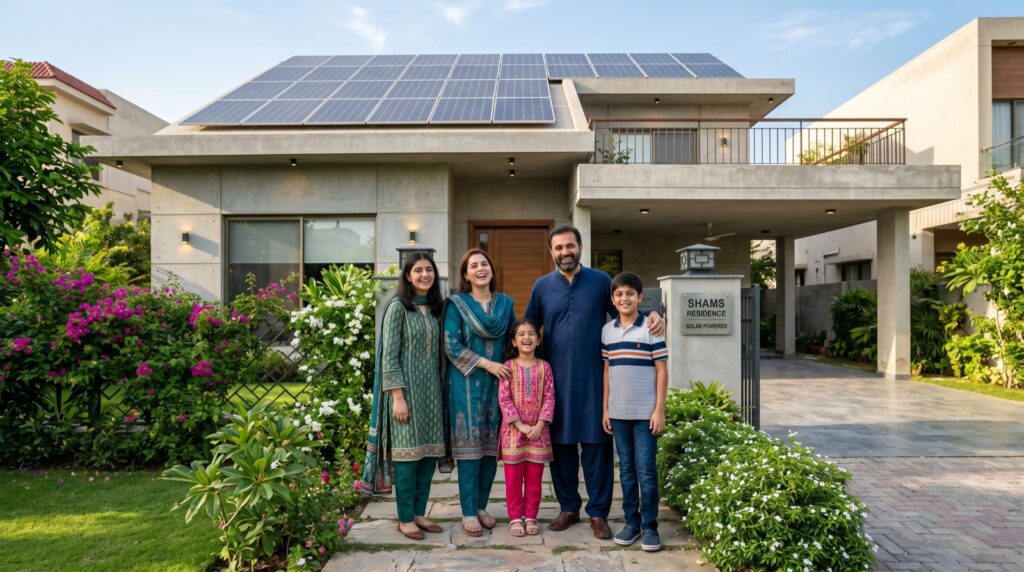
Rising grid tariffs and frequent load-shedding have pushed solar panels in Pakistan from a luxury to a practical household investment. In 2026, more families are treating rooftop solar as a way to lock in predictable energy costs for the next two decades. This guide walks you through what actually matters before you sign a quote, so you spend on the right system instead of the biggest one.
The goal here is clarity, not hype. We will cover panel types, realistic savings, sizing, and the questions that separate a good installer from a salesperson. By the end, you should feel confident enough to compare offers on your own terms.
Why Solar Panels in Pakistan Make Sense Now
Electricity prices have climbed steadily, and that trend shows no sign of reversing. When you generate your own power during daylight hours, you shield a large share of your bill from those increases.
Sunlight is the other reason. Most Pakistani cities receive strong, consistent irradiance for the majority of the year, which means a well-placed rooftop array produces energy reliably. That natural advantage is exactly why demand for quality installers keeps growing across the country.
Net metering has also matured. When your system produces more than you use, you can export the surplus and offset future bills, which shortens the time it takes to recover your upfront cost.
How Much Can a Household Actually Save?
Savings depend on your monthly consumption, roof orientation, and whether you add batteries. A modest 5 kW system for a typical family home can offset a meaningful portion of daytime usage. Many homeowners report cutting their effective monthly bill significantly once net metering is active.
Payback periods commonly land in the range of a few years for grid-tied systems, after which the electricity is essentially free for the remaining panel life. Because panels are warranted for around 25 years, the long tail of that investment is pure benefit.
Choosing the Right Solar Panels: Types and Specs
Not all panels are equal. The three families you will encounter are monocrystalline, polycrystalline, and thin-film. For rooftops with limited space, monocrystalline usually wins because it produces more power per square meter.
Efficiency, temperature coefficient, and warranty are the three specs worth comparing closely. A lower temperature coefficient matters a lot in hot climates, since panels lose output as they heat up.
| Panel Type | Typical Efficiency | Best For | Relative Cost |
|---|---|---|---|
| Monocrystalline | 19% to 22% | Small or premium rooftops | Higher |
| Polycrystalline | 15% to 17% | Larger roofs, tighter budgets | Moderate |
| Thin-film | 10% to 13% | Unusual surfaces, low-light | Lower |
The U.S. Department of Energy explains how photovoltaic cells convert sunlight into usable electricity, and its overview of how solar works is a solid, unbiased primer before you meet any vendor.
What Components Come With a Full System?
A complete installation is more than panels. You are buying an ecosystem that has to work together for years.
- Solar panels: the modules that capture sunlight.
- Inverter: converts DC power into the AC your home uses.
- Mounting structure: secures panels against wind and weather.
- Batteries (optional): store energy for outages or night use.
- Monitoring: lets you track output from your phone.
The inverter is the component homeowners underestimate most. A cheap inverter can bottleneck an otherwise excellent array, so weigh its brand and warranty as heavily as the panels themselves.
How to Size Your Solar System Correctly
Oversizing wastes money, and undersizing leaves you still paying the grid. Start with your average monthly units from past bills, then work backward to the array size that covers your daytime load.
- Gather twelve months of electricity bills to find your average usage.
- Identify how much of that usage happens during daylight.
- Match array size to daytime demand, adding batteries only if outages are frequent.
- Confirm your roof has enough unshaded, south-facing area.
An honest installer will run this math with you rather than pushing the largest package. If a quote skips the sizing conversation entirely, treat it as a warning sign.
Finding a Trustworthy Solar Installer
Hardware is only half the purchase. Installation quality determines whether your system performs as promised or underdelivers for years.
Local coverage matters because service visits, warranty claims, and net-metering paperwork are far easier with a company that operates in your city. Homeowners looking at solar panels in Faisalabad or a solar company in Peshawar should confirm the team has real, verifiable projects in that region.
Ask for references, walk past a couple of finished installs if you can, and read how the company handles after-sales support. When you compare providers, the same qualities that define dependable specialists in any trade apply here: transparency, documentation, and standing behind their work.
Questions to Ask Before You Sign
A short interview reveals a lot. Bring these to every consultation.
- What brand and warranty do the panels and inverter carry?
- Will you handle net-metering approval end to end?
- What happens if output drops below what you projected?
- How long has your team installed in my city specifically?
Frequently Asked Questions
How long do solar panels last in Pakistan?
Quality panels typically carry performance warranties of around 25 years and often keep producing beyond that, at a gradually reduced output. Heat and dust shorten the life of cheaper hardware, so warranty terms are worth reading carefully.
Do I need batteries with my solar system?
Not necessarily. Grid-tied systems with net metering work well without batteries because the grid acts as your storage. Batteries make sense mainly if you face frequent outages or want power at night.
How much roof space do solar panels need?
As a rough guide, each kilowatt of monocrystalline panels needs a few square meters of unshaded roof. A 5 kW system usually fits comfortably on a standard family home rooftop with clear southern exposure.
Is rooftop solar worth it in 2026?
For most households with rising bills and adequate sun, yes. With payback periods of a few years and decades of low-cost power afterward, the economics in 2026 remain strongly in the homeowner’s favor.
Final Thoughts on Buying Solar Panels in Pakistan
Solar panels in Pakistan reward buyers who plan carefully. Match the system to your actual usage, prioritize a strong inverter and warranty, and choose an installer with real local experience rather than the cheapest headline price.
Do the homework once, and you lock in cleaner, cheaper electricity for the next two decades. Start by pulling your last year of bills, then request quotes from a proven local company and compare them line by line.